Cossack Cross 32 – 1791

Cossack Cross 32 – 1791


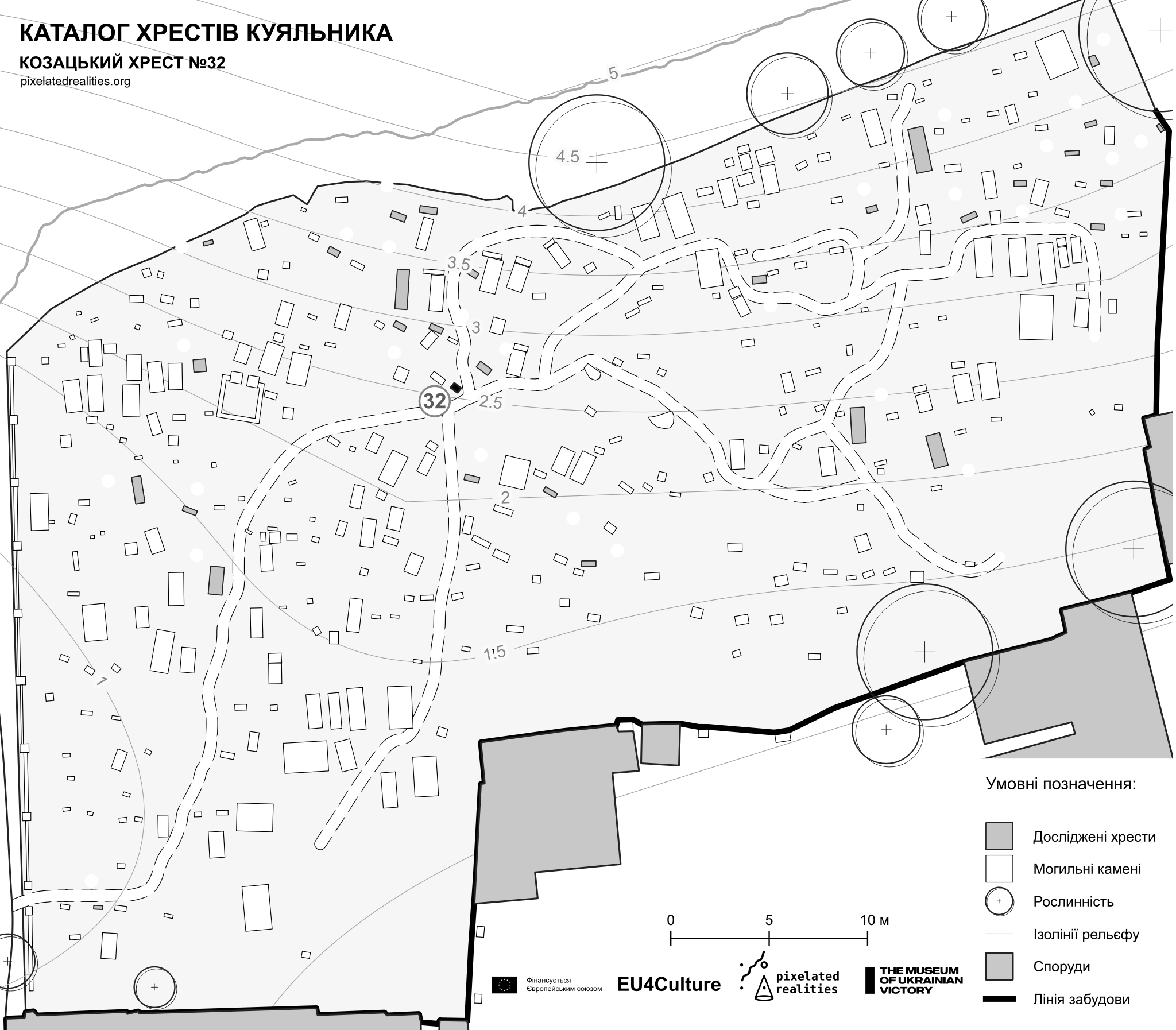
Map number: 32
Year of burial: 1791
Name and surname: Ioan (YOAN)
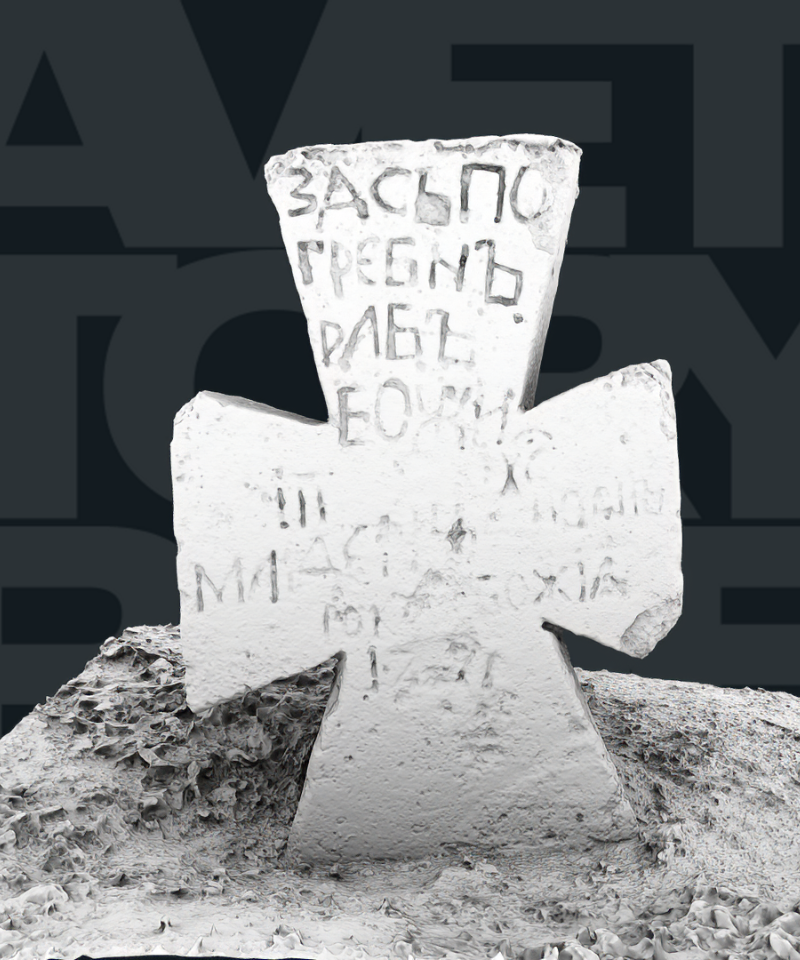
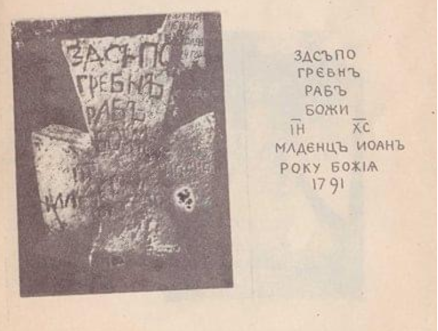
Inscription: ЗДСЪ ПОГРЕБНЪ РАБЪ БОЖИ ІН ХС МЛДЕНЦЪ ИОАНЪ РОКУ БОЖІЯ 1791
Form typology: Pattée (splayed) or Korsun type.
Dimensions:
Description
The oldest surviving dated gravestone in the cemetery and on the territory of Odesa. By its form, the shell-limestone cross belongs to the Cossack crosses, specifically to the pattée (splayed) or Korsun type. Crosses of this form are found in Cossack cemeteries in central Ukraine, in particular in Trakhtemyriv (Cherkasy region), Busha (Vinnytsia region) and elsewhere. This shows that Cossack descendants in the suburbs of Khadzhybei (Odesa) preserved the funeral traditions of their ancestors. According to Roman Shuvalov's 1992 publication, the cross bore the inscription: «ЗДСЪ ПОГРЕБНЪ РАБЪ БОЖИ ІН ХС МЛДЕНЦЪ ИОАНЪ РОКУ БОЖІЯ 1791». ІН ХС evidently means "Jesus of Nazareth Christ". «Року Божія» ("in the year of God") was traditionally written until the end of the 18th century to indicate that the date is counted not from the "creation of the world" but from the Nativity of Christ. After R. Shuvalov's publication the cross was damaged, and some authors read the date on it as 1771, in particular Ihor Sapozhnikov (1999 publication). If the first dating (1791) is correct, the grave may belong to the period when the region was settled by Cossacks of the Black Sea Cossack Host (former Zaporozhians), to whom in April 1790 the Russian military commander Grigory Potemkin semi-officially "granted" the lands between the Southern Buh and the Dniester (formally they still belonged to the Ottoman Empire). Later (1792) the Black Sea Cossacks were resettled by the Russian Empress Catherine II to lands along the Kuban River, but a significant part of them legally and illegally remained on the lands around Khadzhybei (Odesa). If the second dating (1771) is correct, the burial may be connected with the settlement of the lands of the Ottoman Empire (the Yedisan Horde of the Crimean Khanate) in the 18th century by Ukrainians (including former Cossacks), which took place with the permission of the official authorities. For this reason the territory became known as "Khan's Ukraine" (the first known mention of this name dates from 1738). No information about this burial has yet been found in the surviving church parish registers.